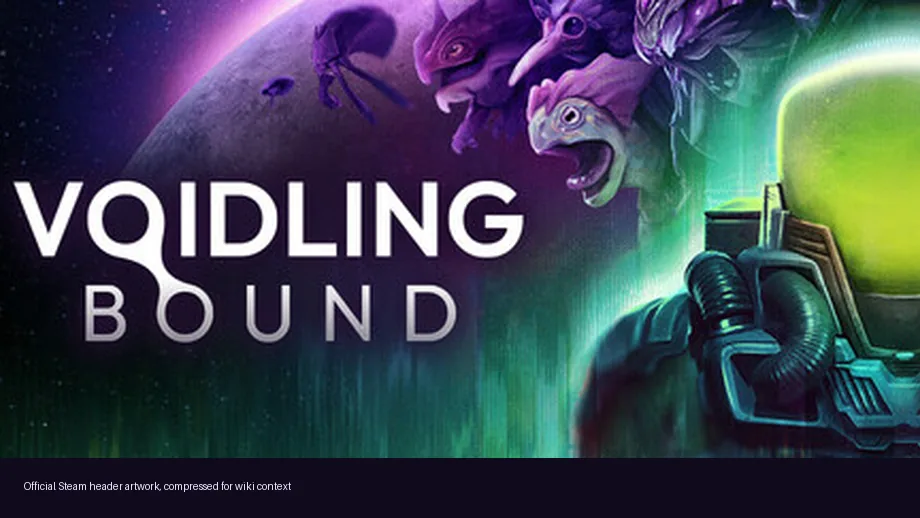
What does the Voidling Bound evolution tree do?
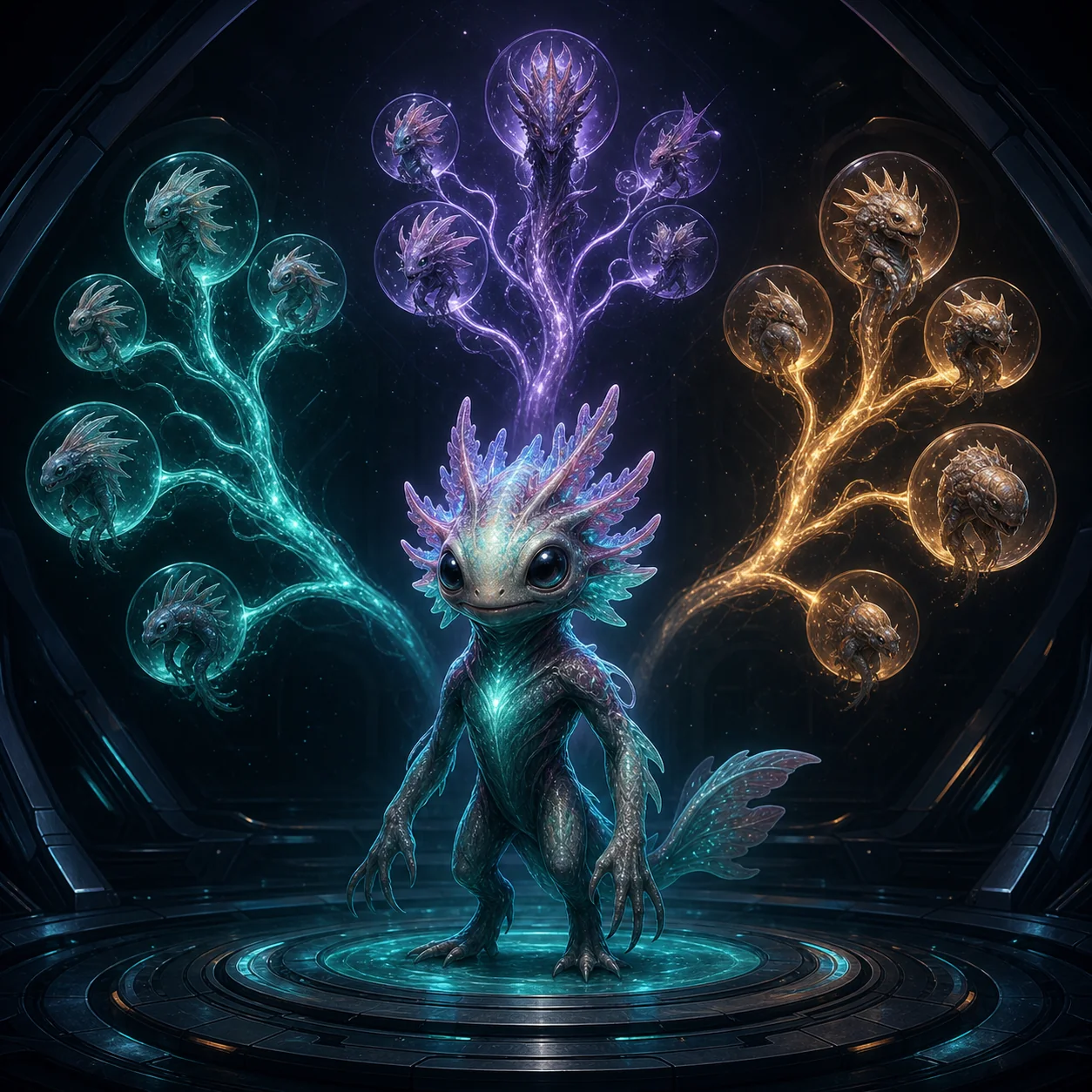
The Voidling Bound evolution tree is a branching path for turning a captured or bred Voidling into a more specialized build. The official game description presents evolution as one of the creature-crafting systems alongside gene editing and breeding, so the useful question is not simply which form looks strongest. It is which branch supports the way you want to fight.
Read every branch from left to right: identify the current species, note the next choice, connect that choice to element or ability behavior, and only then compare the later perk or role. A community tree can help you find the available route, but it should not be treated as a permanent official tier list when a patch, tooltip or in-game test disagrees.
Before spending a rare resource, write down the job you want the Voidling to perform. A ranged pressure build, close-range burst build, survivability build and fast farming build can reasonably prefer different branches. Keeping that goal visible prevents an attractive evolution name from becoming an expensive mistake.
How to read a Voidling Bound evolution tree
An evolution tree is easiest to understand as a chain of decisions rather than a wall of names. The first node identifies the creature you are improving. The next node is the meaningful fork: it may change an element direction, body profile, ability behavior or the kind of encounter where the Voidling feels comfortable.
Do not skip the middle of the tree. A late perk cannot rescue a branch whose movement, range or resource cost already fights your playstyle. Compare the nearest visible choice first, then follow the branch far enough to see whether its later payoff matches your planned attributes, Catalyzers and breeding goals.
The table below is a reading framework. It does not claim that every species has identical labels or that every community diagram is current. Use it to turn a tree screenshot or wiki row into a build decision you can test in the active Steam version.
| Tree layer | What to record | Build question | Safe action |
|---|---|---|---|
| Species node | Name, current form and source date | What creature am I actually evolving? | Keep a baseline note before upgrading |
| First fork | Two visible branch directions | Which branch solves my next combat problem? | Compare role and element before rarity |
| Ability layer | Range, timing, cost and control feel | Will this still work in real movement-heavy fights? | Test the candidate, not only the tooltip |
| Perk layer | Mutated perk, attribute lean and tradeoff | Does the payoff justify the weakness? | Reserve resources until the role is clear |
| End role | Boss, farming, ranged, melee or utility fit | What job does this final form do better? | Link the result to a real encounter |
Mutagens and upgrade order
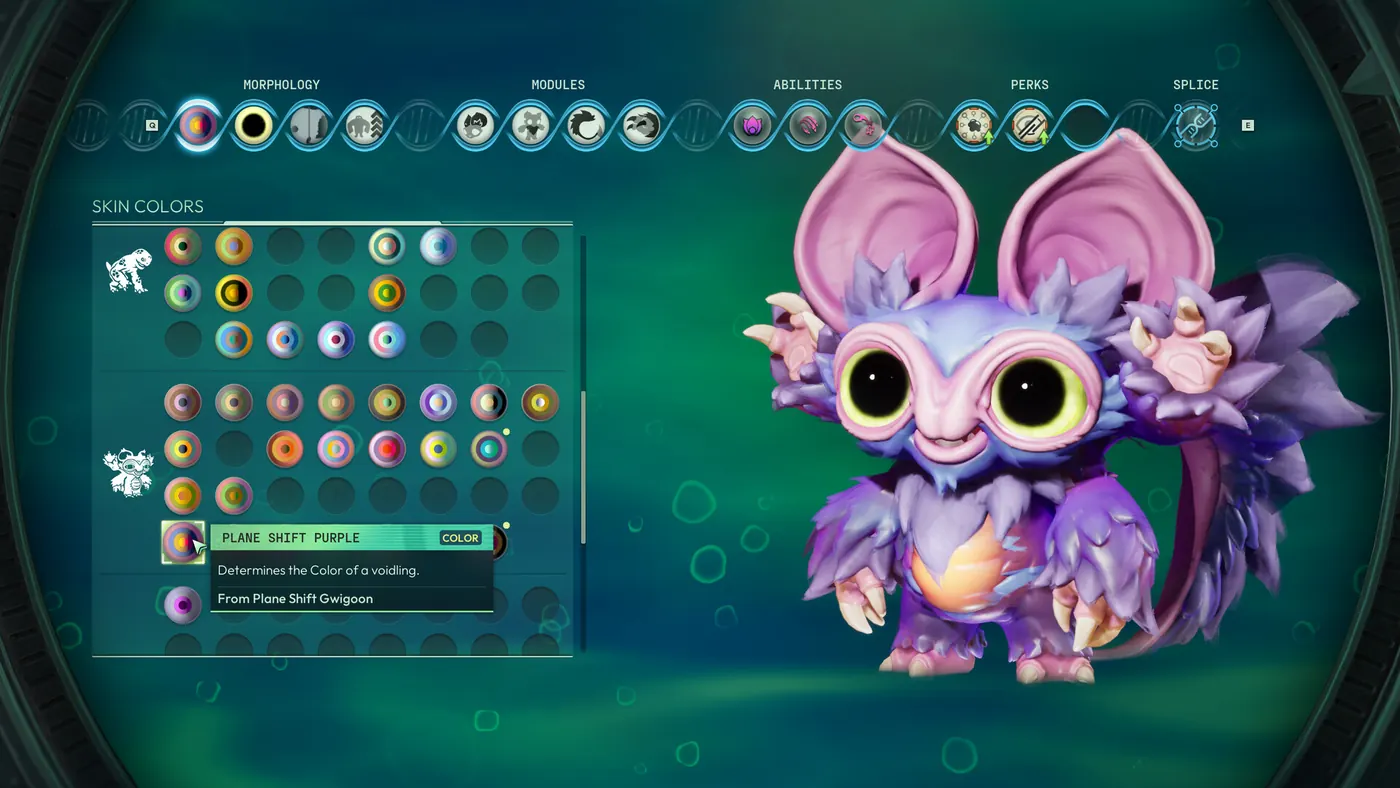
Mutagens and other progression resources should follow a decision, not lead it. First record the Voidling's current element, attributes, abilities, Nature and intended role. Then compare the next branch with the build you already know how to play. If the branch solves no clear problem, keep the resource for a better-documented candidate.
A good evolution note is short enough to update after a patch. Save the exact in-game label, a screenshot or source link, the date you checked it and the build question it answered. This is more useful than copying a confident community sentence with no version boundary.
- 1. Capture the baselineRecord species, current form, element, attributes, Nature, ability notes and the current game-build context.
- 2. Name the combat jobChoose one goal such as ranged pressure, close-range burst, survival, mobility or resource farming.
- 3. Compare the next forkCheck movement, range, timing, cost and perk direction before looking at the final form name.
- 4. Spend after testingKeep a reliable Voidling available and commit rare resources only when the branch improves a real encounter.
Choose a branch by role, not by a universal tier score
There is no safe universal answer to “the best evolution” while balance, tooltips and public data can change. A branch that feels excellent for a boss or an Abyss-style run may be slower for resource farming, and a visually impressive form may not fit the attributes you already invested.
Use the role cards below as questions to ask of the tree. They are decision boundaries, not promises that one species or branch always wins.
Ranged pressure
Prioritize reach, reliable uptime, safe positioning and an element that keeps damage useful while you move.
Close-range burst
Check mobility, recovery windows, impact timing and whether the branch survives the distance it asks you to close.
Survivability
Look for defensive value, control forgiveness, recovery and attribute compatibility before chasing maximum damage.
Farming and exploration
Prefer movement comfort, repeatable ability costs and a route that stays efficient outside one perfect encounter.
How evolution fits breeding, Splicing and Catalyzers
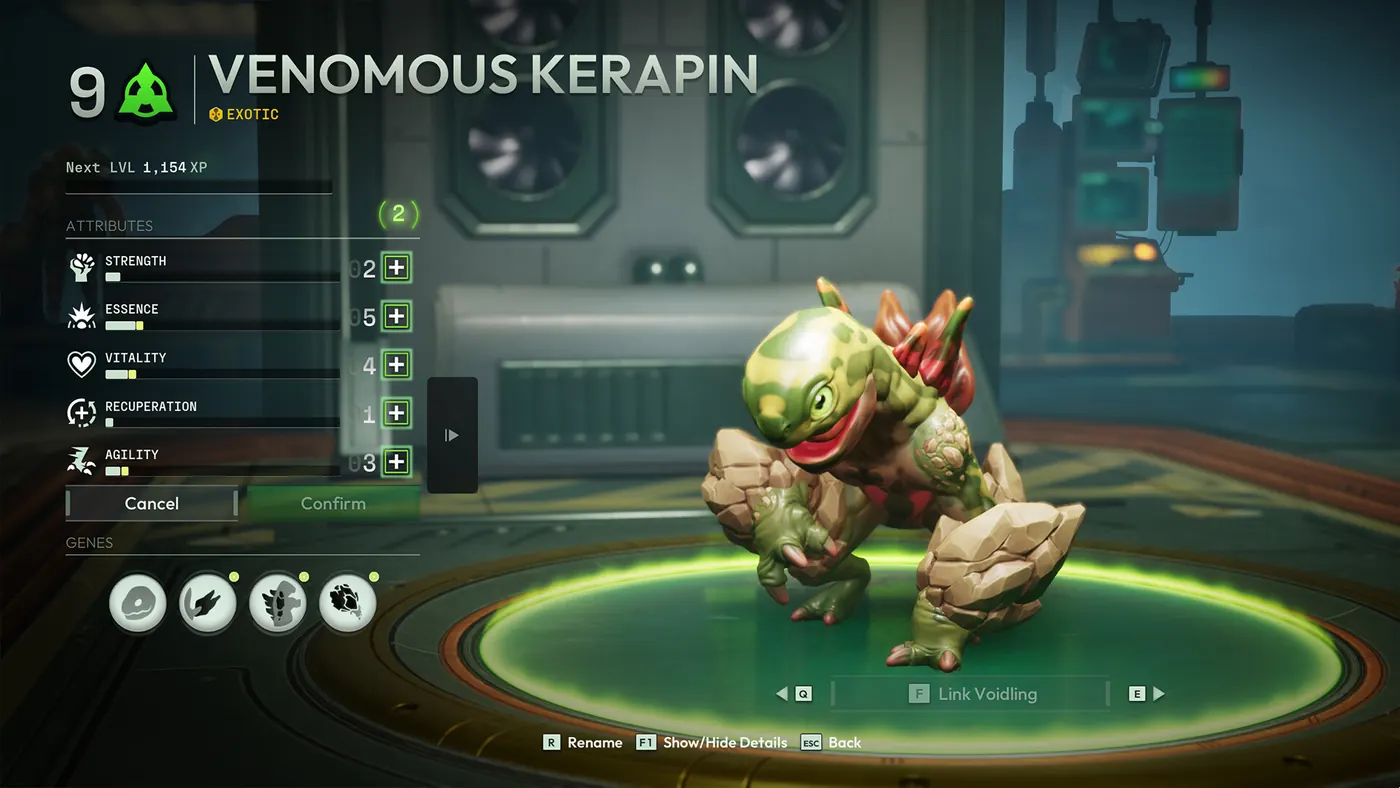
Evolution is one layer of the creature-crafter loop. Breeding helps you preserve or test parent traits and Natures; Splicing and gene-editing style systems can change how you think about a candidate; Catalyzers and perks affect the value of a build after the branch is chosen. Keep these questions separate so you do not blame the evolution tree for a problem caused by a weak parent or an unfitted attribute plan.
The safest order is to pick a role, check the branch, compare the element and ability behavior, then decide whether breeding or Catalyzers are worth the cost. Link the exact mechanic to a current source or in-game tooltip. Do not turn a community experiment into a guaranteed inheritance rule or a permanent drop table.
Breeding
Use it to preserve promising parents, Natures and traits after you know which branch and role you want to test.
Splicing and gene editing
Treat visible changes as a candidate to verify; record the source and avoid assuming every hidden value is fixed.
Catalyzers
Compare late upgrades after the branch already solves a combat job instead of using them to rescue a poor fit.
Types and attributes
Use elements and attribute priorities to explain why a branch fits a matchup, not to create a context-free tier score.
Evidence limits and patch-safe wording
The official developer and Steam pages establish the game's creature-crafting identity, branching evolution concept, gene editing, breeding and combat context. They do not provide a complete public table for every species, branch label, cost, hidden modifier or final role.
Community wiki pages and player videos are valuable leads for a tree, especially when an in-game tooltip is hard to capture. They remain dated community evidence. If a current tooltip, patch note or repeatable in-game test conflicts with an older diagram, record the conflict instead of silently preserving the old value.
This page therefore uses the evolution tree to improve decisions, not to manufacture certainty. Keep a checked date, preserve the source type, and update a branch only when the evidence is strong enough to repeat.
Official fact
Use the developer site or Steam for the game's identity, feature framing and public store context.
Community lead
Use wiki diagrams, discussions and videos to find a route, then recheck the active build.
No invented certainty
Do not claim a fixed cost, hidden modifier, guaranteed inheritance or best branch without traceable evidence.
Sources and verification boundary
Official pages support the game's identity and public feature language. Community sources support route leads and should be rechecked after updates. This is an independent fan guide, not an official evolution database.
- Official Voidling Bound websiteFirst-party game identity, trailer and feature context.
- Official Steam pageOfficial store, screenshots, platform and public feature context.
- Voidling Bound wiki.ggCommunity lead for species and evolution-tree details; verify exact values by date.
- Steam Community hubPlayer discussions and patch-sensitive reports.