
What is Voidling Bound gameplay?
Voidling Bound gameplay combines first-person shooting with creature collecting and long-term build planning. The public Steam description highlights exploration, combat, capture, breeding, evolution, mutations, resources, zones, and boss encounters. That mix means the best early decision is rarely a single damage number; it is choosing what to learn and what to bring back from the next expedition.
For a new player, the practical loop is simple: learn movement and basic attacks, enter a zone with one clear objective, capture or collect what helps that objective, then return before a risky detour turns a useful run into a lost run. After that, compare the creature, type, traits, and resources you gained instead of rebuilding everything after every encounter.
This is a gameplay overview rather than a permanent tier list. Exact species values, unlock order, balance, and achievement conditions can change with patches or with information revealed in-game. Use the linked types, breeding, max-level, and species pages when you need a deeper decision, and use the official Steam page for the current public feature and platform record.
The five-part expedition loop
Thinking in loops keeps the guide useful even when a number changes. Each stage answers a different question: what am I trying to do, what can threaten the run, what did I learn, and what deserves another test? Do not treat every expedition as a final build attempt.
The most efficient early rhythm is deliberately modest. Set one objective, record one useful observation, and return with enough resources to make the next decision. That approach also makes it easier to separate verified game behavior from community assumptions.
- 1. PrepareChoose a simple role for the run, check your current abilities, and avoid carrying a plan that depends on an unverified late-game perk.
- 2. Enter and observeRead the zone before sprinting forward. Notice enemy spacing, routes, resources, and the movement pattern that makes the next fight safer.
- 3. Fight or captureUse movement and timing before chasing damage. Capture a promising creature or collect the resource that serves the run's stated objective.
- 4. Decide when to leaveA successful return is part of progression. Stop when the extra reward is not worth the health, route, or information risk.
- 5. Reinvest the resultCompare traits, types, resources, and the encounter notes. Then choose whether to test a new Voidling, breed, evolve, or keep learning the same role.
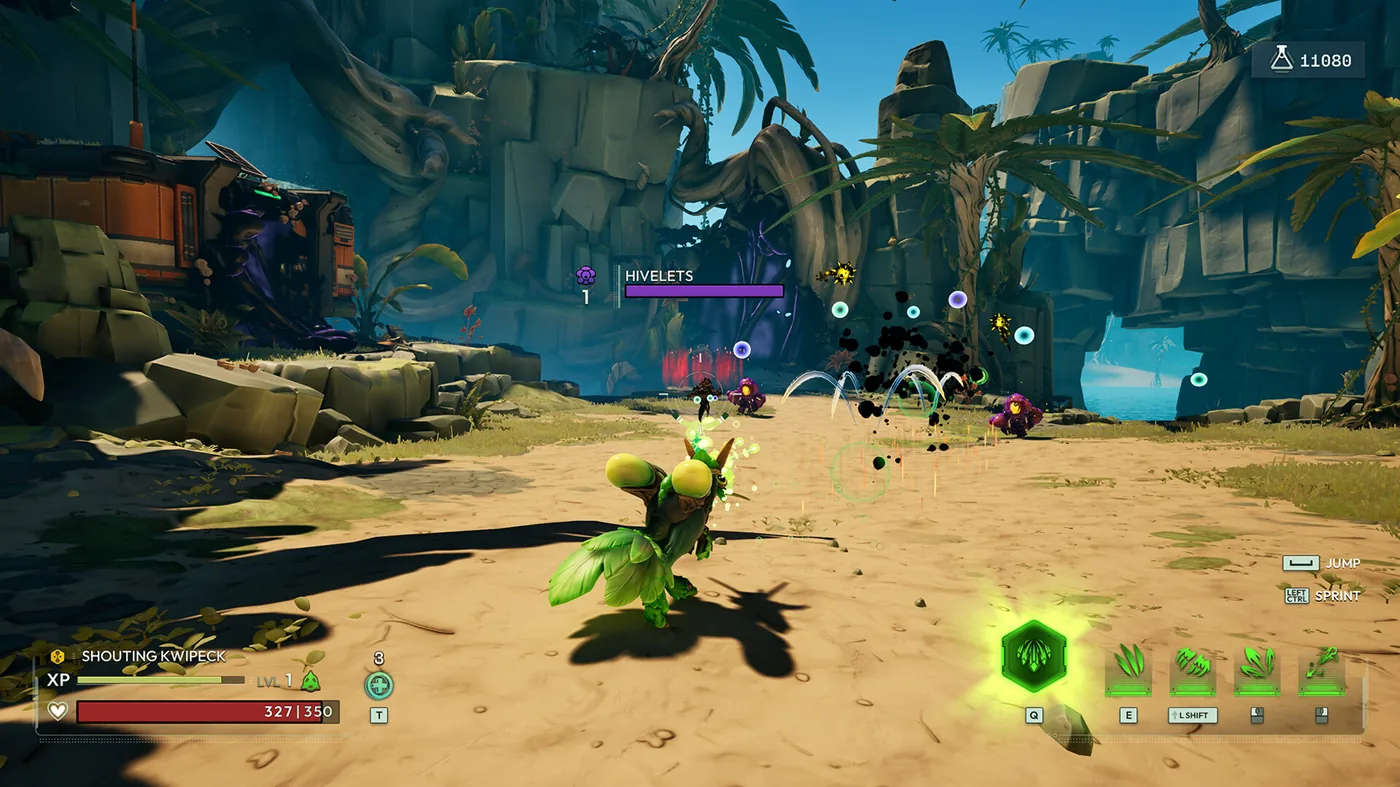
Combat and progression decisions
Combat is the part of the loop that creates the most immediate feedback, but it should not be isolated from progression. A creature that looks strong on paper may feel awkward if its movement, ability timing, range, or resource cost does not match the encounter. Treat every early run as a controlled test of a role.
The table below is a decision framework, not a claim that one permanent build is best. It keeps the most useful gameplay questions in front of you and points to the deeper pages when a choice needs exact records.
| Moment | What to focus on | Why it matters |
|---|---|---|
| Before the fight | Route, cover, movement space, and one escape option | Good positioning reduces the need to solve every problem with damage. |
| During the fight | Ability timing, target priority, and readable enemy patterns | A simple repeatable response is more valuable than a complicated untested combo. |
| After a capture | Role, type, traits, and whether the result fits the next activity | A species list is not the same thing as a finished build. |
| After a failed run | What actually caused the failure: route, timing, resource use, or build mismatch | A specific diagnosis gives the next expedition a measurable purpose. |
| Before a boss or deeper zone | Survivability, reliable damage windows, and the cost of a reset | Preparation should answer the encounter, not copy a generic tier list. |
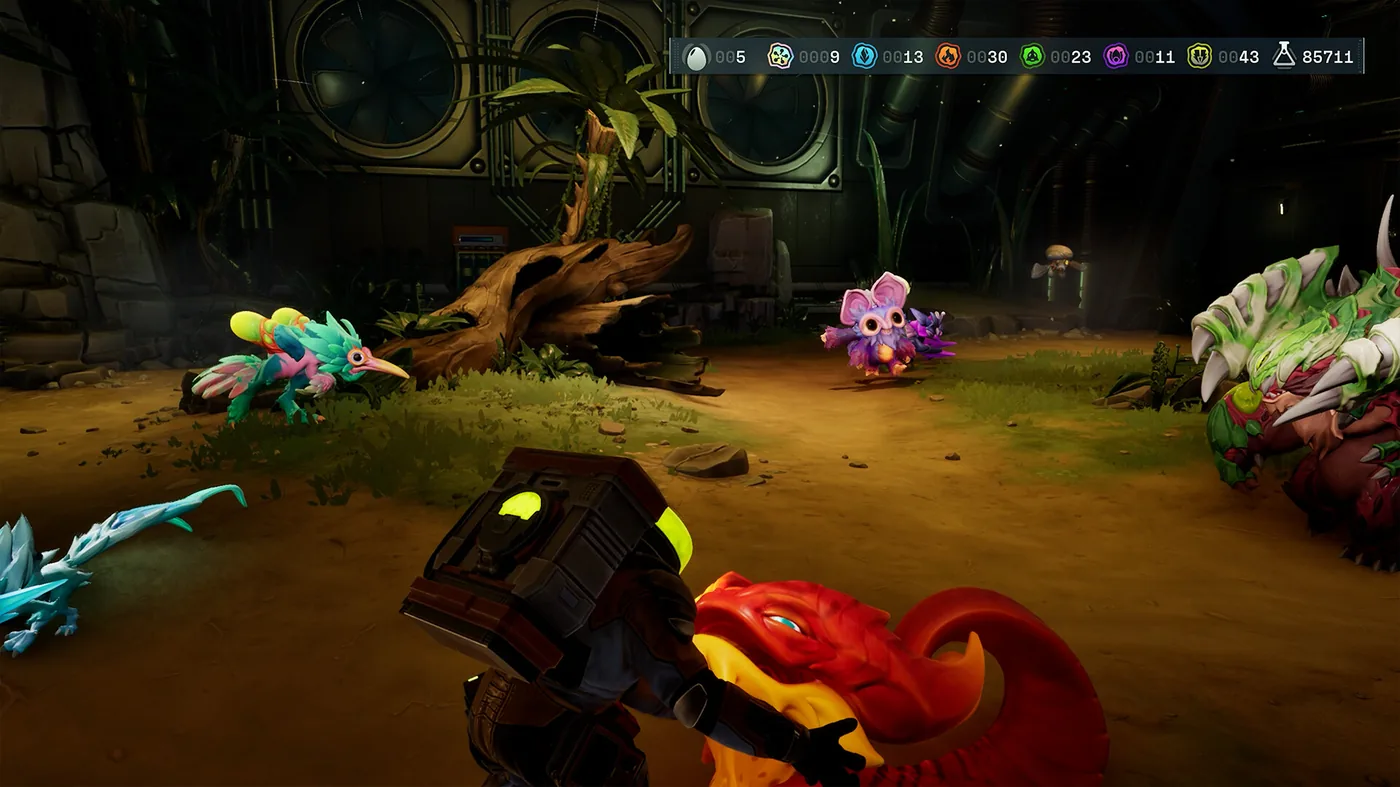
How the systems connect
Gameplay becomes easier once each system has a job. Types and attributes help you describe how a creature should perform. The all-Voidlings index helps you record what exists. Breeding and evolution help you test better candidates. Max level and Catalyzers help with later planning. None of these pages replaces the others, so the internal links below intentionally separate their search intents.
Use this page as the map, not as a duplicate database. Start with the question you are asking in the current run, open one deeper guide, and return to the gameplay loop with a decision you can test.
Types and attributes
Use the combat-planning guide when you need to compare elements, attributes, and role fit.
All Voidlings
Use the species index when you need a checklist and a place to record evidence.
Breeding guide
Use it for inherited traits, natures, breeding decisions, and stronger candidates.
Max-level guide
Use it when level caps, attribute budgets, and long-term allocation become relevant.
Catalyzers guide
Use it for end-game planning instead of forcing late systems into a first-session build.
Multiplayer status
Use the status page for current solo availability and future co-op claims.
A safer first session
A first session should create a baseline, not a backlog of guesses. Keep the first objective narrow enough that you can tell whether a result came from your movement, your chosen creature, the zone, or an untested assumption. Screenshots and short notes are more useful than trying to memorize every number.
Once you have one repeatable route and one role that feels controllable, then expand into types, breeding, evolution, or end-game systems. That order keeps the game readable and makes future updates easier to audit.
First 15 minutes
Learn movement, camera comfort, basic attacks, and how the interface communicates health, experience, abilities, and resources.
First expedition
Choose one zone goal. Do not combine exploration, perfect capture, resource farming, and boss testing in the same first run.
First return
Write down what worked, what failed, and what you actually brought home. This becomes your comparison point for the next run.
First specialization
Pick a role that matches how you already move and aim. Then use the Types or Best Voidling guide to refine it.
First update check
Before trusting an old build or exact number, compare the date and source against Steam news, the current game, and the relevant page on this site.

What this guide does not claim
A gameplay overview is useful only if it states its limits. This page does not invent a complete species database, promise a permanent best Voidling, or turn roadmap language into a currently playable feature. It also does not replace the official Steam listing for current platform, purchase, or update information.
When a community post, video, or older guide gives an exact value, check the date and reproduce the behavior in the current build when possible. If the evidence is uncertain, keep the statement as a testable note rather than presenting it as a universal rule.
No permanent tier list
Role fit, balance, and player comfort can change. A useful recommendation explains the decision instead of pretending one answer fits every run.
No roadmap shortcut
Planned multiplayer, console, or future content is not the same as a feature available in the current build.
No unsupported numbers
Exact levels, drop rates, damage, and unlock conditions need a checked source or an in-game observation.
No unsafe downloads
Use the official Steam and developer links. Cracks, torrents, and old playtest installers are outside a safe gameplay guide.
Official sources and verification scope
These links support the public feature, platform, and update context. Gameplay advice on this page is editorial guidance, not an official manual.
- Voidling Bound on SteamOfficial store description, screenshots, features, platform record, and developer attribution.
- Voidling Bound official siteDeveloper-facing project and community links.
- Voidling Bound Steam newsPrimary channel for dated public updates.
- Steam Community HubCommunity discussions can provide leads, but dates and claims need independent checking.