How Long to Beat Voidling Bound: practical time ranges
If you are asking how long to beat Voidling Bound, plan for about 7–11 hours to finish the main story. A player who explores more, completes side objectives, and learns the creature systems should budget around 14–16 hours. A completionist target is much less stable: public trackers range from the mid-30s to nearly 60 hours because collection, breeding, optional challenges, and replayable runs are counted differently.
That spread is not a contradiction. Main-story time measures the campaign route, while completionist time includes the creature-crafting systems. The guide gives ranges instead of an official-looking single number.
The useful playtime ranges and what they mean
HowLongToBeat is the clearest public reference for separating Main Story, Main + Sides, Completionist, and All PlayStyles. Its current headline rounds those categories to 7, 14½, 38, and 14 hours, while its poll table shows why a range is safer: the small group of players reports different rushed, median, and leisure times.
IGN presents a similar structure with 7 hours for the main story, 16 hours for story plus sides, 36 hours for everything, and 11 hours for all styles. Those figures are useful cross-checks, but they are editorial snapshots rather than a developer-defined timer. A review snippet also describes an approximately 11-hour campaign before the repeatable Void Strikes loop becomes the focus.
| Goal | Practical estimate | Usually includes | Confidence note |
|---|---|---|---|
| Main story | 7–11 hours | Critical missions, normal exploration, required fights | Two public references cluster around seven hours; a review describes a longer route. |
| Story + sides | 14–16 hours | Optional objectives, extra routes, more captures and upgrades | IGN and HowLongToBeat are close, but player pace still matters. |
| Completionist | 36–58+ hours | Collection, breeding experiments, optional challenges and deep upgrades | The public completionist sample is small, so the upper end is not a guarantee. |
| All styles | 11–18 hours | A typical mixture of story, exploration and some experimentation | A blended category is useful for planning a normal first run, not for a speedrun. |
Why two players can finish at very different times
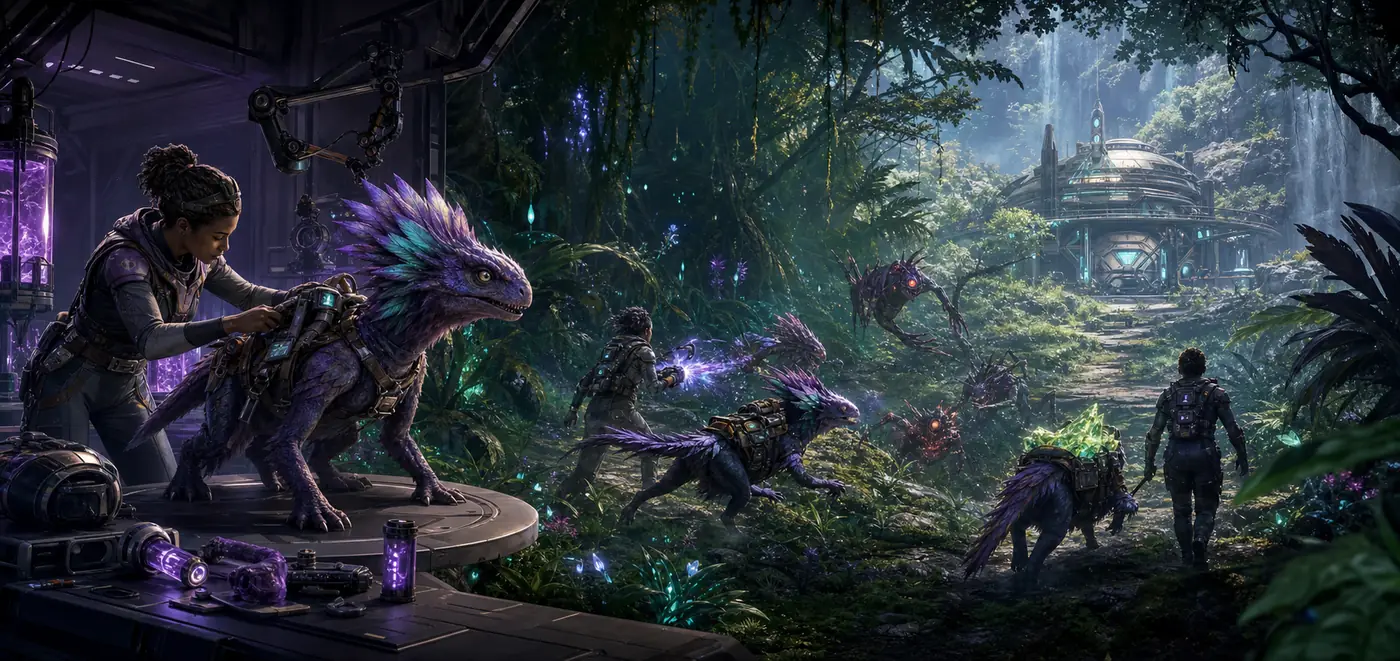
Voidling Bound combines a direct-action campaign with systems that reward curiosity. A player who follows the next objective and keeps one dependable Voidling can reach the credits quickly; another may stop after every zone to compare attributes, test an evolution branch, or search for a better breeding candidate. Both are valid answers to the playtime question.
Difficulty also changes the estimate. A demanding setting can add retries and build preparation, while an easier setting may shorten fights and leave more room to experiment. Balance updates, controller comfort, aim, and familiarity with third-person shooters can matter more than playing casually or chasing completion.
Focused campaign player
Follows the main route, learns one reliable combat role, and postpones deep breeding. This player should use the 7–11 hour main-story range.
Explorer and collector
Checks side objectives, captures more creatures, reads notes, and revisits zones. The 14–16 hour story-plus-sides range is a better baseline.
Builder and breeder
Spends time comparing traits, evolution choices, attributes, and inherited results. The credits are only one milestone, so completionist estimates become more relevant.
Endgame tester
Treats Void Strikes, deeper runs, and build refinement as the point of the game. There is no honest final hour count because repeatable systems can continue after the campaign.
What adds hours after the main route
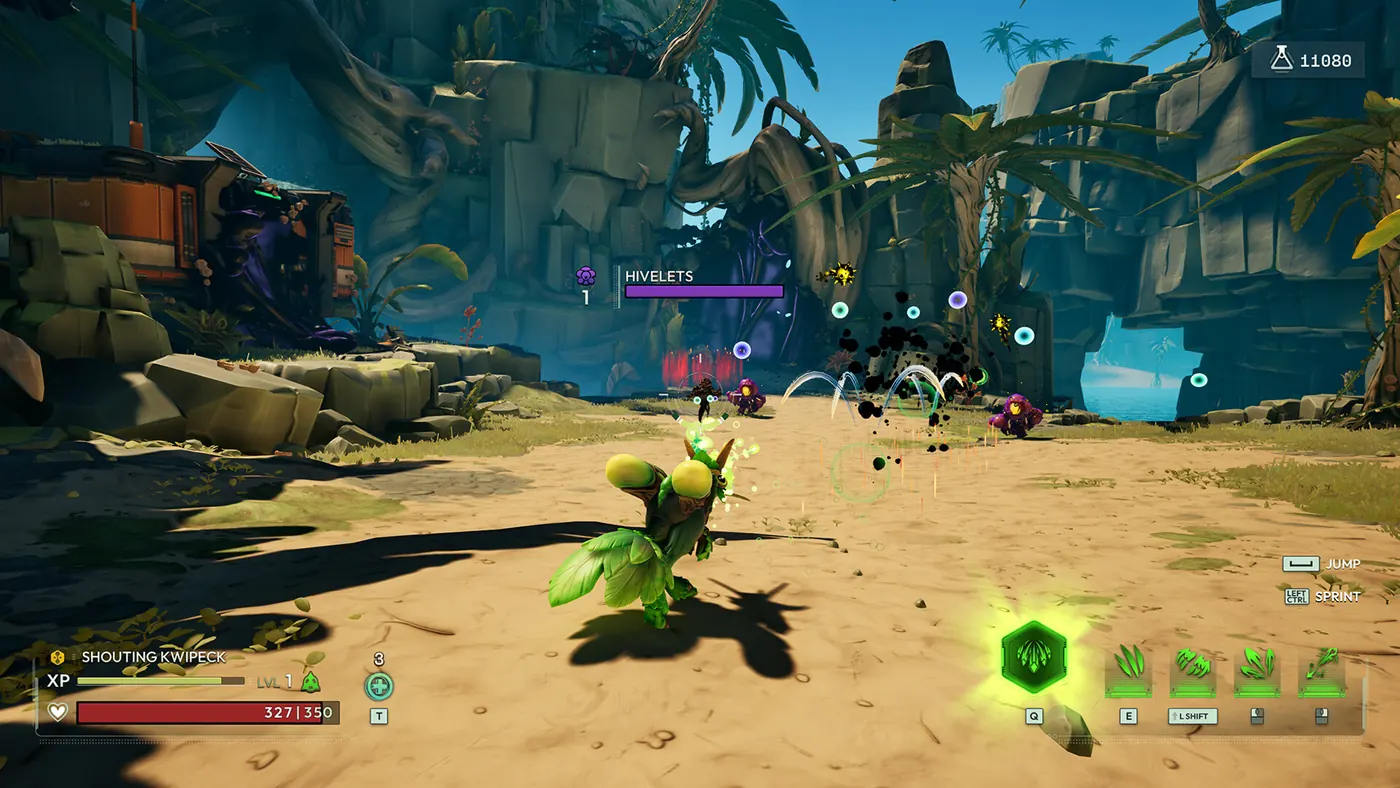
The biggest time difference comes from whether you treat the creature systems as optional flavor or as the main reason to keep playing. The public Steam description and reviews emphasize evolution, breeding, upgrades, and combat encounters. Those systems create useful extra work, but they do not all have a single finish line.
Collection is measurable when you use a checklist, while breeding and build testing are experimental. You may finish every story mission and still have several evenings of work left if you want a stronger candidate for a difficult run. Conversely, a player who is satisfied with one functional build can stop much earlier without missing the intended campaign conclusion.
- 1. Main missionsCount the required route first. This is the cleanest answer for someone asking only when the story ends.
- 2. Side objectives and revisitsAdd time for optional goals, missed resources, extra captures, and returning to a zone with a better-equipped Voidling.
- 3. Collection goalsUse the All Voidlings and Collectibles guides as separate checklists. Collection progress is more predictable than a vague promise of 100 percent completion.
- 4. Breeding and evolution testsBudget open-ended sessions for comparing traits, natures, branches, attributes, and upgrade choices. Stop when the build answers your intended role.
- 5. Repeatable endgameTreat Void Strikes and deeper risk-reward runs as replayable content. Their value is measured by goals and build milestones, not a final campaign timestamp.
Choose the estimate that matches your plan
Pick the row that matches your next session, then add a buffer for difficulty and learning.
| Your goal | Start with | Add time for | Best internal guide |
|---|---|---|---|
| See the ending | 7–11 hours | Retries and basic exploration | Gameplay guide |
| Understand the systems | 14–20 hours | Types, captures, evolution and early breeding | Types and Breeding guides |
| Build a broad collection | 20–40 hours | Checklists, revisits and missing creatures | All Voidlings and Collectibles |
| Chase a polished endgame build | 36–58+ hours | Trait testing, Catalyzers, Void Strikes and resets | Max Level and Catalyzers guides |
Limits, sample size and freshness
No public source can turn every player into the same stopwatch. HowLongToBeat’s completionist category has a much smaller sample than its main-story category, so the completion range should be read as directional. A single fast run or a single long breeding session can move the average without describing everyone’s experience.
The game is patch-sensitive. New missions, balance changes, creatures, achievements, or endgame rules can shift the total, so recheck Steam news and in-game behavior after updates.
Small completion sample
Completionist figures are less stable than main-story figures because fewer players report them and their goals differ.
Difficulty and retries
A harder route, a new controller, or repeated boss attempts can add hours without adding new content.
Patches move the boundary
Treat this guide as a dated planning snapshot and recheck Steam news when missions or systems change.
Official build only
Do not compare a cracked, mirrored, or old playtest build with the current Steam release.
Sources and verification scope
The ranges below combine public playtime reporting with editorial cross-checks. They are planning evidence, not an official completion-time guarantee.
- HowLongToBeat: Voidling BoundMain Story, Main + Sides, Completionist and All PlayStyles categories with player polls.
- IGN Voidling Bound articlesEditorial snapshot listing 7 hours main story, 16 hours with sides, 36 hours for everything and 11 hours all styles.
- Voidling Bound on SteamOfficial source for the current build, feature description, platform record and updates.
- Forbes review contextReview context separates an approximately 11-hour campaign from the repeatable Void Strikes endgame; figures can reflect one reviewer’s route.